
Easter Special: Designing Festive Restaurant Experiences Without Major Renovations
4/7/20262 min read
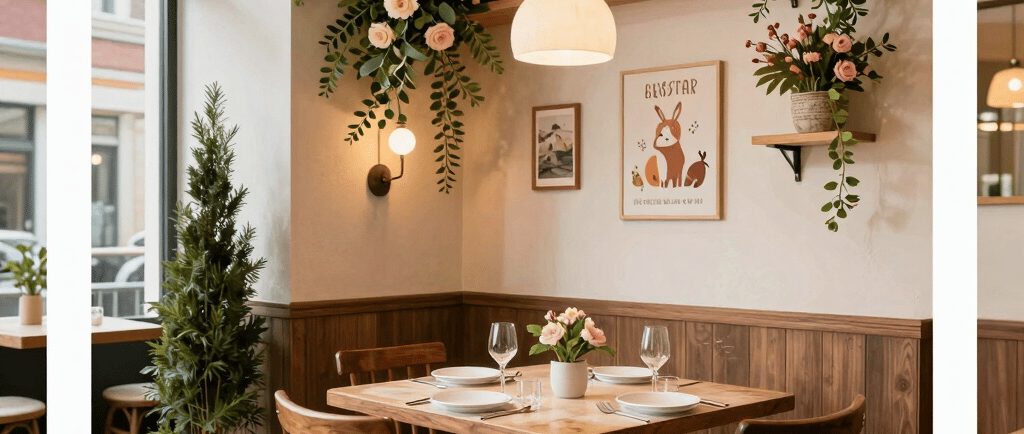
🌸 Easter Special — Seasonal Restaurant Design: Creating Festive Experiences Without Major Renovation
How Small Design Changes Can Drive Traffic, Engagement, and Revenue
Easter symbolises renewal, freshness, and new beginnings. For restaurants, it presents more than just a seasonal celebration — it is a strategic opportunity to refresh brand experience and attract new traffic.
The key question is:
How can restaurants create festive impact without investing in major renovation?
Seasonal design does not require structural changes. With thoughtful planning, small and temporary interventions can generate strong visual appeal, social media engagement, and increased footfall.
1. Temporary Décor Strategy: Visual Refresh Without Structural Changes
Seasonal decoration should enhance the existing brand rather than overwhelm it.
Effective Easter décor strategies include:
Floral installations near entrances
Soft pastel table styling
Hanging seasonal ornaments above feature tables
Window graphics that are easy to remove
The objective is to create a visible seasonal transformation while maintaining brand consistency.
Temporary décor should be:
Lightweight and removable
Easy to install without operational disruption
Designed for high visual impact at key touchpoints
A well‑planned festive layer can refresh the dining atmosphere without altering the core design.
2. Limited‑Time Menu Corner Design
Seasonal menus are common, but their presentation is often overlooked.
Instead of simply printing a special menu, restaurants can create a dedicated seasonal display zone, such as:
A feature table showcasing Easter desserts
A small themed counter near the entrance
A branded backdrop introducing limited‑time items
This creates a sense of occasion and exclusivity.
When customers see a clearly defined seasonal offering, it increases perceived value and encourages impulse ordering.
Design does not only shape space — it shapes purchasing behaviour.
3. Creating Seasonal Photo Spots for Social Media
In today’s digital environment, shareability is a powerful marketing tool.
A small Easter‑themed photo corner can significantly increase online exposure.
Effective strategies include:
A floral or pastel backdrop wall
A styled dessert display area
Branded signage subtly integrated into the décor
Creative table settings designed for close‑up photography
The goal is not excessive decoration, but a visually recognisable moment that encourages guests to take and share photos.
Every shared post becomes organic marketing.
4. Low‑Budget, High‑Impact Festive Touchpoints
Seasonal design does not require large capital investment.
Cost‑effective ideas include:
Tabletop styling upgrades
Seasonal staff accessories (subtle and brand‑appropriate)
Lighting adjustments to create softer ambience
Printed seasonal placemats or menu inserts
Small design gestures, when applied consistently, create a cohesive festive atmosphere.
In high‑rent markets like Hong Kong, temporary design upgrades allow restaurants to remain dynamic without long renovation cycles.
5. Increasing Footfall and Brand Visibility
Seasonal updates serve multiple business purposes:
Encourage repeat visits from existing customers
Attract new customers looking for festive experiences
Boost limited‑time promotions
Increase social media engagement
When customers perceive freshness and renewal, they associate the brand with creativity and attentiveness.
Easter, symbolising renewal, aligns naturally with restaurant branding — refreshing the space mirrors refreshing the menu and experience.
Balancing Festivity and Brand Identity
While seasonal expression is important, it should never compromise brand positioning.
A fine‑dining restaurant may adopt subtle floral elegance.
A café may embrace playful pastel elements.
A family restaurant may integrate interactive Easter displays.
The seasonal layer should complement — not compete with — the core brand identity.
Conclusion
Easter is not simply a decorative occasion. It is a strategic moment to refresh customer experience, stimulate engagement, and enhance brand visibility.
Through:
Temporary décor strategies
Seasonal menu display zones
Social‑media‑ready photo spots
Low‑budget, high‑impact design gestures
Restaurants can create festive impact without major renovation or operational disruption.
In the competitive F&B market, seasonal design is not an expense — it is an opportunity to renew experience, drive traffic, and strengthen brand connection.
Contact
Questions? Reach out anytime, we're here.
Phone
© 2025. All rights reserved.