Choosing the Right Materials for High‑Traffic Retail Stores
Choosing the Right Materials for High‑Traffic Retail Stores
3/17/20262 min read
Choosing the Right Materials for High‑Traffic Retail Stores
Retail stores with high customer traffic face constant wear and tear. From flooring and wall finishes to display fixtures and countertops, material selection directly affects durability, maintenance costs, and long‑term brand perception.
While aesthetics are important, choosing materials based solely on appearance can lead to frequent repairs, operational disruptions, and unnecessary expenses.
For high‑traffic retail environments, material selection must balance durability, maintenance, cost efficiency, and brand positioning.
1. Durable Flooring: The Foundation of Retail Performance
Flooring is one of the most heavily used surfaces in any retail store. It must withstand:
Continuous foot traffic
Movement of fixtures and merchandise
Cleaning equipment
Potential impact damage
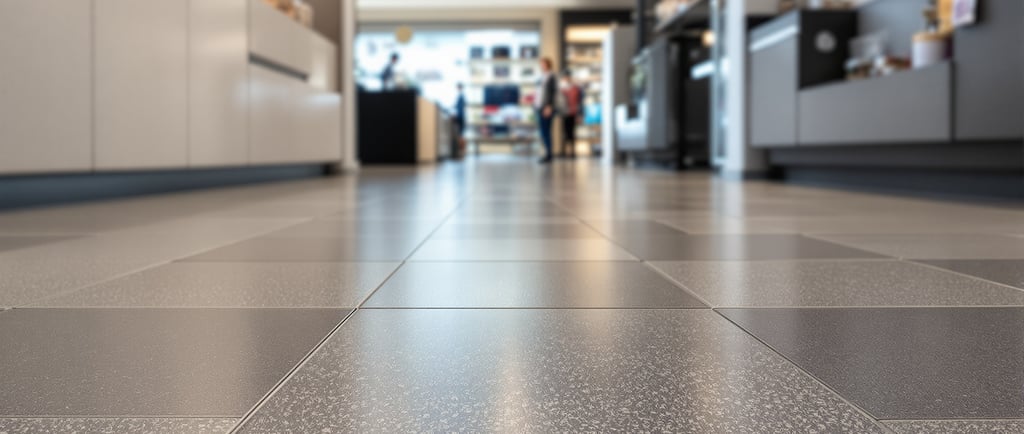
Popular durable flooring options for high‑traffic retail stores include:
✅ Porcelain Tiles
Highly scratch‑resistant
Easy to maintain
Suitable for fashion and lifestyle retail
✅ Vinyl (LVT / SPC) Flooring
Cost‑effective
Good durability
Comfortable underfoot
Easy replacement for damaged sections
✅ Polished Concrete
Extremely durable
Industrial aesthetic
Low long‑term maintenance
When selecting flooring, consider slip resistance and ease of cleaning in addition to visual appeal.
A damaged floor not only increases maintenance costs—it also affects customer perception of quality.
2. Easy‑to‑Maintain Wall Finishes
Walls in retail stores are frequently touched, especially in fashion and beauty environments.
Common wall finish considerations include:
Resistance to stains and scratches
Ease of repainting or repair
Compatibility with display systems
Recommended options:
✅ Washable Paint Finishes
High‑quality washable paint allows easy maintenance and periodic refresh without major renovation.
✅ Laminate or Decorative Panels
Provide durability and a refined look while protecting wall surfaces.
✅ Textured Wall Finishes (Used Strategically)
Should be placed in low‑contact areas to avoid maintenance challenges.
Avoid overly delicate materials in high‑contact zones. What looks luxurious on day one may look worn within months if not chosen carefully.
3. Display Fixtures and Countertops
Display fixtures endure constant interaction.
When selecting materials for shelving, tables, and cashier counters:
Consider scratch resistance
Evaluate load‑bearing capacity
Ensure edges and corners are impact‑resistant
Materials commonly used:
Powder‑coated steel for structure
High‑pressure laminate (HPL) for surfaces
Engineered stone or solid surface for countertops
Durability in these elements directly impacts operational efficiency and replacement frequency.
4. Balancing Cost vs Long‑Term Value
成本與長遠效益的平衡
One of the most common mistakes in retail renovation is selecting cheaper materials to reduce upfront cost.
However, lower initial cost can lead to:
Frequent repairs
Higher maintenance labour
Premature replacement
Negative brand perception
When evaluating materials, consider:
Total Cost of Ownership=Initial Cost+Maintenance Cost+Replacement Cost Over Time\text{Total Cost of Ownership} = \text{Initial Cost} + \text{Maintenance Cost} + \text{Replacement Cost Over Time}Total Cost of Ownership=Initial Cost+Maintenance Cost+Replacement Cost Over Time
A slightly higher upfront investment often reduces long‑term expenditure.
Strategic material planning protects both budget and brand image.
5. Aligning Material Choice with Brand Identity
Durability should not compromise brand positioning.
For example:
Luxury boutiques may combine durable stone flooring with soft wall finishes
Youth‑focused brands may use resilient vinyl flooring with bold graphic walls
Lifestyle brands may integrate wood textures with protective coatings
Material selection should reinforce the overall retail design strategy.
High‑traffic does not mean sacrificing aesthetics—it means designing intelligently.
6. Planning for Maintenance and Flexibility
Retail environments evolve frequently. Material selection should allow:
Easy repair or partial replacement
Compatibility with future layout changes
Minimal business interruption during maintenance
Modular systems and replaceable surface panels can significantly reduce long‑term renovation costs.
Professional store planning considers lifecycle management—not just installation.
Conclusion
Choosing the right materials for high‑traffic retail stores is a strategic decision, not merely a design choice.
Durable flooring, easy‑to‑maintain wall finishes, and resilient fixtures contribute to operational efficiency, cost control, and brand consistency.
By balancing initial cost with long‑term value, retailers can create spaces that remain attractive, functional, and profitable for years.
A well‑designed store performs not only on opening day—but every day after.
Contact
Questions? Reach out anytime, we're here.
Phone
© 2025. All rights reserved.