
Open Kitchen vs Closed Kitchen: Which Is Right for Your Concept?
Open Kitchen vs Closed Kitchen: Which Is Right for Your Concept?
4/29/20262 min read
Open Kitchen vs Closed Kitchen: Which Is Right for Your Concept?
When planning a restaurant, café, or F&B outlet, one of the most impactful design decisions you’ll make is choosing between an open kitchen and a closed kitchen.
This choice goes far beyond aesthetics — it influences customer perception, operational efficiency, food safety, costs, and even brand positioning.
Let’s break it down from three key perspectives:
👉 品牌透明度 (Brand Transparency)
👉 氣味與噪音控制 (Odor & Noise Control)
👉 成本差異 (Cost Differences)
1️⃣ Brand Transparency: Show the Experience or Separate It?
✅ Open Kitchen: A Stage for Your Brand
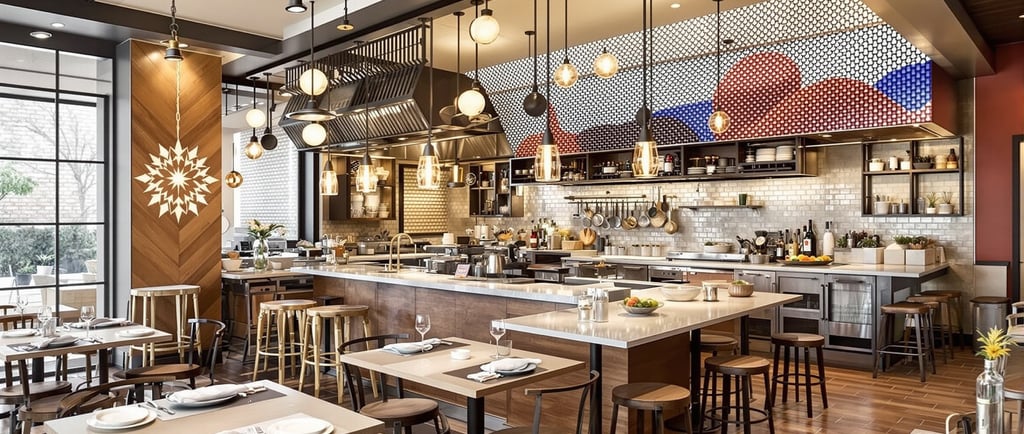
An open kitchen turns cooking into a performance. Customers can see chefs in action, observe food preparation, and feel assured about hygiene and freshness.
Best for:
Fine dining concepts with chef interaction
Japanese omakase, teppanyaki
Artisanal bakeries & specialty cafés
Modern casual dining brands
Advantages:
Builds trust and transparency
Enhances customer engagement
Strengthens premium positioning
Creates Instagram-worthy moments
However, transparency means consistency. Cleanliness, staff discipline, and workflow must be impeccable at all times.
✅ Closed Kitchen: Focus Behind the Scenes
A closed kitchen keeps operations hidden from customers, allowing staff to work without the pressure of being constantly observed.
Best for:
High-volume restaurants
Delivery-focused outlets
Strong-flavored cuisines
Fast-paced kitchens with complex prep
Advantages:
More operational flexibility
Less pressure on presentation
Easier to manage clutter and prep work
For brands focused on speed and volume rather than experiential dining, this setup can be more practical.
2️⃣ Odor & Noise Control: Atmosphere Matters
🔊 Open Kitchen Considerations
Open kitchens can create vibrant energy — the sizzle of grills, chopping sounds, and flames enhance the dining experience.
But they also introduce:
Cooking smoke
Strong food aromas
Equipment noise
Staff communication sounds
Without a powerful ventilation and exhaust system, these elements can negatively impact customer comfort.
Critical Requirements:
High-performance exhaust hood
Efficient air circulation
Sound control planning
Smart layout to minimize disruption
🔇 Closed Kitchen Advantages
Closed kitchens naturally contain:
Grease and smoke
Strong spices and oil smells
Operational noise
Heat from cooking equipment
This allows the dining area to maintain a controlled ambiance — ideal for upscale, romantic, or business dining environments.
3️⃣ Cost Differences: Where Does Your Budget Go?
💰 Open Kitchen Costs
Open kitchens may reduce wall construction costs but often increase spending in other areas:
Premium finishing materials (since kitchen is visible)
Stronger ventilation systems
Higher aesthetic standards for equipment
Custom lighting design
Additionally, staff training and discipline become part of operational investment.
💰 Closed Kitchen Costs
Closed kitchens typically require:
Partition walls and doors
Separate air-conditioning zones
More structured workflow planning
However, equipment and finishing materials do not need to be visually appealing — allowing for more cost-efficient choices.
Quick Comparison Table
FactorOpen KitchenClosed KitchenBrand ImageTransparent, engagingControlled, privateCustomer ExperienceInteractive & livelyCalm & refinedOdor ControlRequires strong ventilationNaturally containedNoise LevelHigherLowerOperational FlexibilityLess forgivingMore flexibleInitial CostMedium to HighMedium
So… Which One Is Right for You?
Ask yourself:
Is your concept experience-driven or efficiency-driven?
Does your cuisine produce strong odors or heavy smoke?
Is your brand positioned as premium, casual, or high-volume?
What is your long-term operational strategy?
There is no universal answer — only what aligns best with your concept, budget, and customer expectations.
💡 Pro Tip: The Hybrid Option
Many modern restaurants adopt a semi-open kitchen design:
Glass partitions
Partial visibility
Dedicated display cooking stations
This balances transparency with operational control — offering the best of both worlds.
Final Thoughts
Your kitchen layout is not just a construction decision — it is a strategic branding and operational choice.
Whether you choose open, closed, or hybrid, the key is aligning the design with:
Your brand identity
Customer experience goals
Operational efficiency
Budget planning
If you’re planning a new F&B concept or renovating an existing space, careful kitchen planning at the early stage can save significant cost and operational challenges in the future.
Contact
Questions? Reach out anytime, we're here.
Phone
© 2025. All rights reserved.