
Small Retail Store Design: Maximising Limited Space
Small Retail Store Design: Maximising Limited Space
3/24/20262 min read
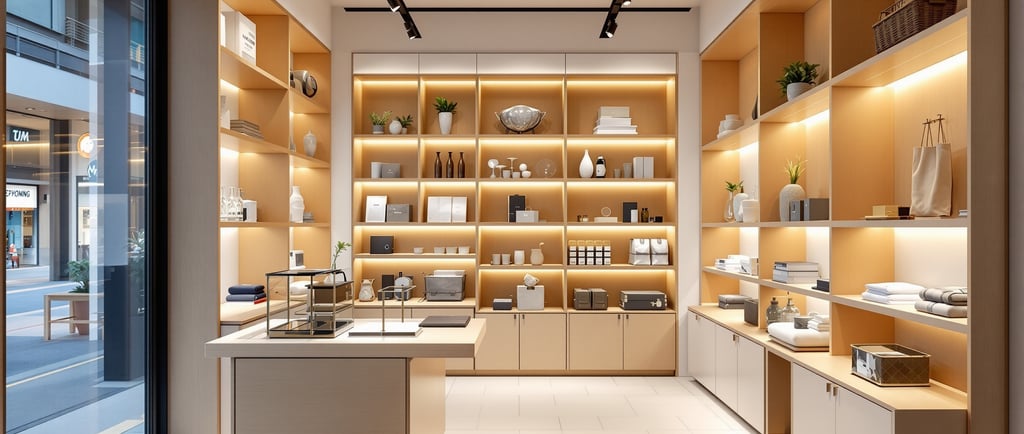
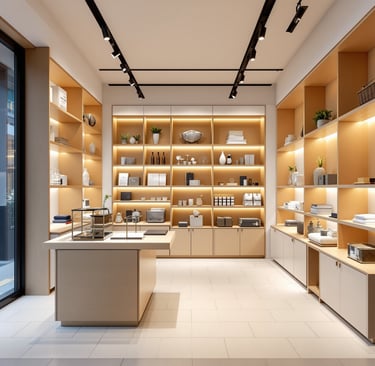
Small Retail Store Design: Maximising Limited Space
In cities like Hong Kong, retail space is limited and expensive. Many store owners operate within compact shopfronts ranging from 200 to 600 square feet. In such environments, every square metre must work harder.
Small retail design is not about compromise—it is about strategy.
With thoughtful planning, integrated storage, and multifunctional displays, even the smallest shop can feel spacious, organised, and commercially efficient.
1. Understanding the Reality of Small Retail in Hong Kong
Typical challenges include:
Narrow shopfronts
Low ceiling heights
Limited storage space
High rental pressure
Heavy pedestrian flow
Without careful planning, small stores can easily feel cramped and cluttered.
However, when designed strategically, compact retail spaces can create intimacy and stronger customer engagement.
Small space does not mean small impact.
2. Smart Space Planning and Clear Circulation
In small retail stores, layout efficiency is critical.
Key strategies include:
Maintaining a clear and direct customer pathway
Avoiding over‑crowded central displays
Using wall‑mounted shelving to free floor area
Positioning cashier counters strategically without blocking flow
A well‑designed circulation path makes a 300 sq.ft. shop feel significantly larger than its actual size.
Customers should move comfortably without feeling squeezed.
3. Integrated Storage Solutions
Storage is often the biggest issue in small Hong Kong shops.
Instead of adding separate storage rooms that consume valuable retail area, consider:
Built‑in cabinetry beneath display counters
Vertical storage using full‑height shelving
Hidden compartments behind feature walls
Drawer systems integrated into display tables
Multi‑layer storage design allows retailers to keep inventory accessible without compromising visual cleanliness.
Clutter reduces perceived space. Hidden storage restores clarity.
4. Multifunctional Display Fixtures
Every fixture in a small retail store should serve more than one purpose.
Examples include:
Display tables with built‑in storage
Cashier counters that double as feature display areas
Modular shelving systems that can be reconfigured
Foldable or movable display units
Flexible systems allow seasonal changes without full renovation.
In high‑rent cities like Hong Kong, adaptability equals cost efficiency.
5. Using Vertical Space Wisely
When floor area is limited, vertical design becomes essential.
Strategies include:
Tall shelving units with structured visual hierarchy
Feature walls with adjustable brackets
Ceiling‑mounted lighting tracks to free wall space
However, balance is important. Overloading upper shelves can create visual heaviness.
Eye‑level merchandising should remain the priority, while higher shelves can serve secondary display or storage functions.
6. Lighting and Colour to Enhance Spatial Perception
Lighting significantly affects how spacious a store feels.
Recommendations:
Use layered lighting rather than relying only on ceiling panels
Highlight walls to visually expand width
Choose lighter colour palettes to enhance openness
Avoid excessive visual contrast that fragments space
Mirrors can also increase perceived depth when used strategically.
In compact retail environments, perception is as important as measurement.
7. Case Insight: Hong Kong Boutique Approach
Many successful Hong Kong boutiques adopt:
Minimalist interiors
Neutral tones
Built‑in storage walls
Clean merchandising
Flexible modular systems
This approach reduces renovation cost while maximising operational efficiency.
Small retail design works best when aesthetics and practicality are integrated from the beginning.
Conclusion
Designing a small retail store in Hong Kong requires strategic thinking, not just aesthetic decisions.
Through smart space planning, integrated storage, multifunctional fixtures, and careful lighting design, even limited spaces can feel organised, welcoming, and commercially effective.
In compact retail environments, every detail matters.
When space is limited, design must be intentional.
And with the right strategy, small stores can deliver big results.
Contact
Questions? Reach out anytime, we're here.
Phone
© 2025. All rights reserved.