
The Importance of Visual Merchandising in Retail Design
The Importance of Visual Merchandising in Retail Design
3/11/20262 min read
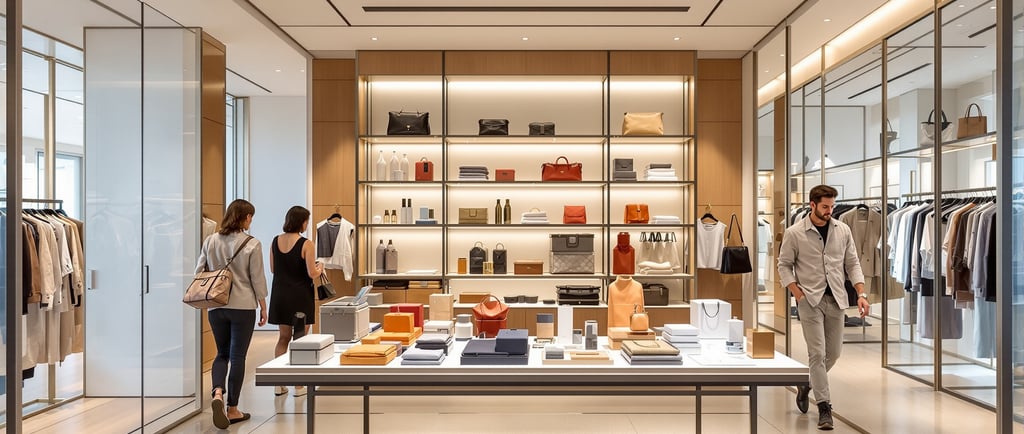
The Importance of Visual Merchandising in Retail Design
In today’s competitive retail environment, products alone are no longer enough to drive sales. How products are presented often determines whether customers stop, explore, and ultimately purchase.
Visual merchandising is more than decoration—it is a strategic sales tool. Through thoughtful window displays, eye‑level placement, and layered product presentation, retailers can shape customer perception and influence buying behaviour.
For fashion, beauty, and lifestyle brands in particular, visual merchandising plays a critical role in creating desire and driving conversion.
1. Window Display: The First Sales Opportunity
A window display is not simply a showcase—it is the store’s first marketing message.
Customers decide within seconds whether to enter a store. An effective window display should:
Communicate brand identity clearly
Highlight hero products or new arrivals
Create visual contrast to stand out from surroundings
Tell a simple and focused story
Overcrowded windows dilute impact. A strong focal point, supported by thoughtful lighting and composition, attracts attention and encourages entry.
For fashion and beauty retailers, the window display sets expectations about style, price positioning, and brand personality.
A compelling window design turns passers‑by into potential customers.
2. Eye‑Level Placement: Where Sales Happen
In retail merchandising, placement at eye level significantly increases product visibility and sales potential.
Customers naturally focus on products positioned between chest and eye height. Items placed too high or too low are often overlooked.
Effective strategies include:
Placing best‑selling or high‑margin products at eye level
Using vertical display techniques to guide upward visual flow
Avoiding visual clutter that competes for attention
In beauty and cosmetic stores, eye‑level shelving for featured products can directly influence impulse purchases.
Merchandising is about guiding the customer’s gaze—where attention goes, sales follow.
3. Layered Presentation: Creating Depth and Interest
Flat displays can feel uninviting. Layered merchandising adds visual depth and encourages exploration.
This can be achieved through:
Varying display heights
Combining foreground, midground, and background elements
Grouping products by theme, colour, or lifestyle concept
Using props selectively to support storytelling
For example, in a fashion boutique, a mannequin styled with complementary accessories creates a complete look rather than presenting items individually.
Layered presentation helps customers visualise how products fit into their lifestyle.
Good merchandising reduces decision fatigue by offering inspiration rather than overwhelming choices.
4. Creating Visual Hierarchy
Not all products should compete equally for attention. A strong visual hierarchy ensures priority items stand out.
This can be achieved through:
Spotlighting key displays
Using contrast in colour or material
Framing feature products with negative space
Positioning focal displays along main circulation paths
Visual hierarchy directs movement and encourages customers to pause at specific points within the store.
In luxury retail, breathing space around products increases perceived value. In fast‑fashion environments, frequent focal displays maintain energy and excitement.
5. Aligning Merchandising with Brand Identity
Visual merchandising must reflect brand positioning.
For example:
Minimalist brands may use clean lines and neutral palettes
Luxury brands may emphasise symmetry and spacious displays
Youth‑focused brands may adopt dynamic and colourful arrangements
Consistency between store design and merchandising reinforces brand recognition and trust.
Merchandising is not separate from interior design—it works together with layout, lighting, and material selection to create a cohesive retail experience.
6. The Impact on Customer Behaviour and Sales
Effective visual merchandising influences:
Dwell time
Product interaction
Impulse buying
Perceived brand value
When customers can easily understand product categories and visually connect with displays, they are more confident in making purchase decisions.
Strong merchandising turns browsing into buying.
Conclusion
Visual merchandising is a strategic component of retail design. From window displays to eye‑level placement and layered product presentation, every detail influences how customers perceive and interact with merchandise.
For fashion, beauty, and lifestyle retailers, thoughtful merchandising is not optional—it is essential.
A well‑designed retail space attracts customers.
Effective visual merchandising converts them.
Contact
Questions? Reach out anytime, we're here.
Phone
© 2025. All rights reserved.