
The Psychology of Restaurant Seating: Comfort vs Turnover
The Psychology of Restaurant Seating: Comfort vs Turnover
4/22/20263 min read
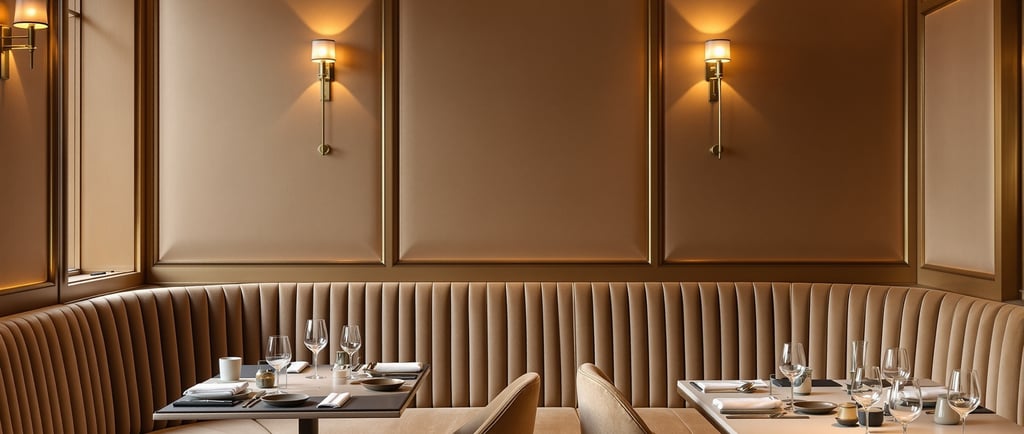
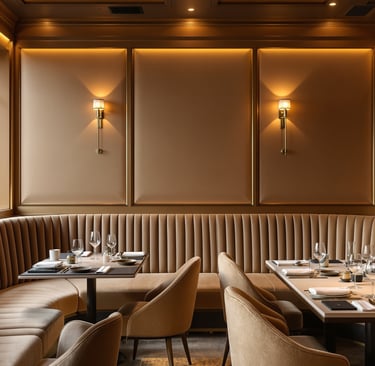
The Psychology of Restaurant Seating: Comfort vs Turnover
How Seating Choices Influence Dining Duration, Revenue, and Brand Positioning
In restaurant design, seating is often selected based on style or visual appeal. However, seating plays a far more strategic role than most operators realise.
The type of seating you choose directly affects:
How long customers stay
How much they spend
How frequently tables turn
How your brand is perceived
Seating is not just furniture — it is behavioural design.
Balancing comfort and turnover is a key decision that influences both customer experience and revenue performance.
1. High Stools vs Sofas: Designing for Behaviour
Different seating types naturally influence customer behaviour.
High Stools
High stools and bar seating typically:
Encourage shorter stays
Support faster table turnover
Create a casual, energetic atmosphere
Optimise space efficiency
Because high stools provide moderate comfort rather than long-term relaxation, customers are less likely to linger for extended periods.
This makes them suitable for:
Fast-casual concepts
Coffee shops with takeaway focus
Quick-service restaurants
High-traffic urban locations
High stools subtly signal efficiency.
Sofas and Upholstered Seating
Soft sofas and cushioned banquettes typically:
Encourage longer stays
Increase perceived comfort and intimacy
Support social gatherings
Enhance premium positioning
Comfortable seating reduces time pressure. Guests feel more relaxed, often leading to additional orders such as desserts, beverages, or second rounds.
This makes them suitable for:
Fine dining restaurants
Lounge-style cafés
Destination dining concepts
Date-night or celebration venues
However, longer stays may reduce table turnover during peak hours.
The key question is not which is better — but which aligns with your operational model.
2. Dining Duration and Revenue Strategy
Restaurant revenue is influenced by two major factors:
Average spending per customer
Table turnover rate
Highly comfortable seating may increase spending per table but reduce turnover frequency.
Less comfortable seating may increase turnover but reduce average ticket size.
For example:
A high-rent, high-traffic location may prioritise turnover.
A premium concept may prioritise experience and per-customer spending.
Seating design becomes a strategic lever to balance these variables.
Some restaurants even mix seating types:
Bar counters for quick visits
Standard tables for regular dining
Lounge zones for longer stays
Zoning seating allows operators to manage different customer behaviours within the same space.
3. Subtle Time Control Through Design
Restaurants rarely tell customers how long to stay. Instead, they influence duration subtly through environmental cues.
Seating contributes to:
Posture comfort
Physical relaxation
Perceived intimacy
Other factors that interact with seating include:
Table size
Lighting intensity
Background music
Table spacing
For example:
Bright lighting + upright chairs = faster dining pace
Warm lighting + soft seating = extended stay
When these elements are aligned, the restaurant environment naturally supports its business model.
4. Seating Density and Brand Perception
Seating choice also communicates brand identity.
High-density layouts with compact chairs signal efficiency and accessibility.
Spacious arrangements with upholstered booths signal exclusivity and premium experience.
Customers subconsciously interpret space allocation as value positioning.
If seating feels cramped, perceived value may decrease.
If seating feels generous and comfortable, perceived pricing tolerance increases.
Seating design shapes not only behaviour — but willingness to spend.
5. Aligning Seating Strategy with Concept
Before selecting seating types, restaurant operators should ask:
Is the goal fast turnover or extended dining?
What is the target customer profile?
What price point does the brand represent?
What is the rental pressure in this location?
A mismatch between seating comfort and operational strategy can negatively impact profitability.
For example:
Installing lounge-style seating in a quick-service concept may slow turnover.
Using rigid high stools in a premium dining environment may reduce perceived value.
Design must support the business model — not contradict it.
Conclusion
Restaurant seating is a strategic business decision disguised as interior design.
High stools encourage efficiency and turnover.
Sofas promote comfort and longer stays.
Zoned seating allows flexibility within one concept.
The most successful restaurants do not choose seating randomly — they choose it intentionally, based on behavioural psychology and revenue strategy.
In a competitive F&B market, understanding the psychology of seating helps operators design spaces that support both customer satisfaction and sustainable profitability.
Comfort and turnover are not opposites —
when carefully planned, they work together.
Contact
Questions? Reach out anytime, we're here.
Phone
© 2025. All rights reserved.