
Why Lighting Design Matters in Commercial Interiors
Why Lighting Design Matters in Commercial Interiors
1/24/20262 min read
Why Lighting Design Matters in Commercial Interiors
Lighting design is one of the most influential yet often underestimated elements in commercial interiors. While it is commonly associated with visibility, lighting plays a much broader role in shaping how a space functions, feels, and is perceived by both customers and employees.
In commercial environments such as offices, restaurants, and retail spaces, effective lighting design supports daily operations, enhances comfort, and reinforces the overall spatial experience.
Lighting Influences How a Space Is Experienced
Lighting affects mood, focus, and perception. A well‑lit space feels welcoming and balanced, while poor lighting can make even a well‑designed interior feel uncomfortable or inefficient.
In commercial interiors, lighting helps to:
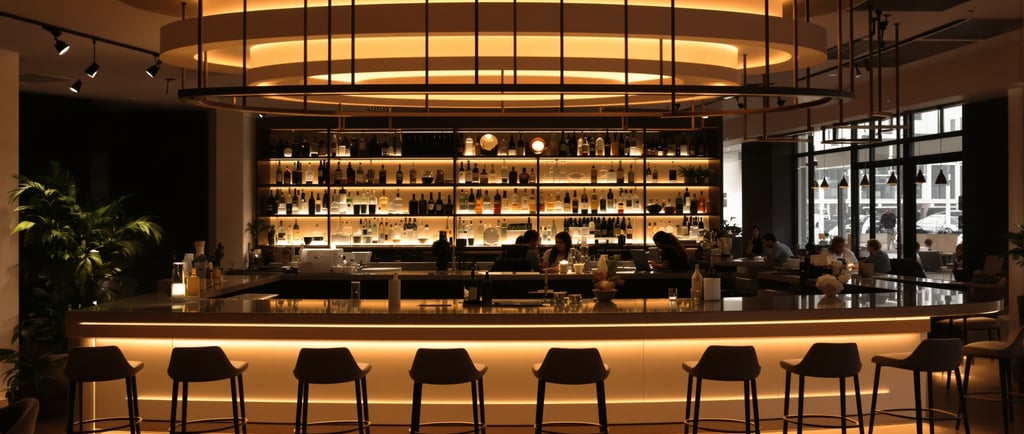
Define different zones within a space
Highlight architectural and design features
Create an atmosphere aligned with the brand or business purpose
The right lighting tone and intensity can significantly improve how people interact with the environment.
Supporting Functionality and Daily Operations
Different activities require different lighting conditions. Task areas, meeting spaces, circulation zones, and feature areas all have unique lighting needs.
Effective lighting design considers:
Task lighting for work and service areas
Ambient lighting for overall comfort
Accent lighting to guide attention and movement
By addressing these needs early in the design process, businesses can ensure the space supports efficiency without unnecessary adjustments later.
Enhancing Comfort and Reducing Fatigue
Poor lighting can cause eye strain, discomfort, and reduced concentration, especially in environments where people spend extended periods of time.
Thoughtful lighting design focuses on:
Balanced brightness levels
Minimising glare and harsh contrasts
Creating a comfortable visual environment throughout the day
This is particularly important in offices and hospitality venues where comfort directly affects productivity and customer experience.
Long‑Term Flexibility and Cost Efficiency
Lighting decisions made during renovation have long‑term implications. Poorly planned lighting systems often require costly modifications as space usage changes.
Strategic lighting design considers:
Flexible lighting layouts that can adapt to future needs
Energy‑efficient solutions to reduce operational costs
Easy maintenance and replacement
These considerations help protect the renovation investment over time.
Lighting as a Core Design Element
Lighting should never be treated as an afterthought. It is a core design component that works alongside layout, materials, and finishes to create a cohesive commercial interior.
When lighting design is integrated early in the renovation process, the result is a space that functions better, feels more comfortable, and presents a professional image.
Conclusion
Lighting design plays a vital role in commercial interiors. Beyond illumination, it supports functionality, comfort, and the overall experience of a space. A well‑planned lighting strategy enhances daily operations and contributes to long‑term value.
Investing in thoughtful lighting design ensures that a commercial interior not only looks good but works effectively for everyone who uses it.
Contact
Questions? Reach out anytime, we're here.
Phone
© 2025. All rights reserved.